
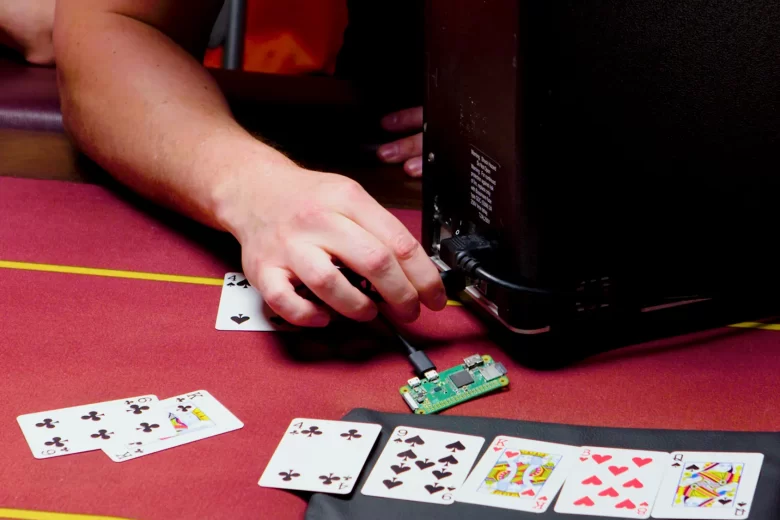
Casinos are built around rules, security systems, and carefully controlled games. Every card dealt, every roulette spin, and every slot machine result is meant to follow a system that is designed to be fair while also protecting the casino’s business.
Most visitors simply play for entertainment. They win some games, lose others, and leave with stories about their experience. However, throughout casino history, some people have tried to gain an unfair advantage.
These attempts have ranged from simple tricks to highly organized operations involving teams, technology, and careful planning. Some of these cases became famous around the world because of the large amounts of money involved and the clever methods used.
The history of casino cheating is not just a collection of unusual stories. It also shows how casinos improved their security systems over time. Every major cheating case taught the industry new lessons and led to stronger protection measures.
Why Casinos Attract Cheating Attempts
Casinos handle large amounts of money every day. Because so much money changes hands, some people see casinos as attractive targets for dishonest activities.
Unlike many other businesses, casino games involve constant movement of cash, chips, cards, and digital transactions. This creates opportunities for people who believe they have found a weakness in the system.
However, modern casinos invest heavily in surveillance, security staff, and technology. Large properties often use hundreds or even thousands of cameras that monitor gaming areas around the clock. Special teams review unusual betting patterns and investigate suspicious activity.
Even with these protections, some individuals have managed to find temporary ways to exploit certain games. A few of these cases became famous enough to enter gambling history.
The MIT Blackjack Team
One of the most well-known gambling stories involves a group often called the MIT Blackjack Team. During the 1980s and 1990s, several students and former students developed a system based on card counting.
Card counting is not the same as cheating. It involves tracking cards that have already been played to estimate the likelihood of certain cards appearing next. Since blackjack uses information that is visible to everyone at the table, the method relies on mathematics rather than hidden devices.
The team worked together in an organized way. Some members watched tables and identified favorable situations, while others placed larger bets when the odds became slightly better.
Why Casinos Responded
Although card counting is generally legal, casinos do not like it because it can reduce their advantage. As a result, many casinos began using multiple decks, automatic shuffling machines, and stricter monitoring procedures.
The story became famous because it showed that teamwork and mathematical skill could challenge casino expectations, even without breaking the law.
The Roulette Computer Cases
In several famous incidents, players secretly used small computers to predict roulette outcomes. These devices were designed to estimate the speed of the wheel and the ball.
The goal was not to know the exact result every time. Instead, the devices attempted to improve the player’s prediction enough to create a statistical advantage.
Some of these systems were surprisingly small and hidden inside shoes or clothing. Players would enter information through tiny switches while watching the wheel spin.
Casinos eventually responded by improving wheel design, increasing inspections, and closely watching for unusual behavior near roulette tables. These cases demonstrated how technology could become a powerful tool when combined with careful observation.
The Phil Ivey Edge Sorting Case
One of the most discussed gambling disputes involved professional poker player Phil Ivey and a technique called edge sorting.
During high-stakes baccarat sessions, Ivey and his playing partner noticed tiny differences on the backs of certain cards. These small manufacturing variations allowed them to identify valuable cards under specific conditions.
The pair requested particular handling procedures from casino staff, which helped them use this information during play. They won millions of dollars through the strategy.
Later, legal disputes followed. Courts ultimately ruled in favor of the casinos, arguing that the technique interfered with the intended nature of the game. The case received worldwide attention because it involved observation rather than traditional cheating devices.
Slot Machine Manipulation Attempts
Slot machines have also been targets for cheating attempts. In earlier decades, some individuals used mechanical tools to interfere with machine mechanisms.
As technology advanced, some criminals tried electronic methods instead. They studied machine designs and looked for weaknesses that could influence payouts.
One famous example involved organized groups that carefully examined older slot machine systems to identify software weaknesses. In some cases, they successfully predicted machine behavior and collected large payouts before casinos discovered the problem.
These incidents encouraged manufacturers to improve software security and regularly update machine systems. Modern slot machines now include stronger protections than earlier generations.
Security in the Digital Age
Today many casino games rely on advanced software. Digital monitoring systems can track unusual activity much faster than human observers alone.
Casinos also share information with regulators and gaming authorities. When a new cheating method is discovered, details are often distributed throughout the industry so other operators can protect themselves.
As technology improves, security measures continue to evolve alongside new threats.
Lessons From Famous Cheating Cases
The biggest cheating cases often reveal two important facts. First, people are constantly searching for ways to gain an advantage when large amounts of money are involved. Second, casinos continuously adapt to new challenges.
Many methods that worked decades ago would be almost impossible today because security systems have become far more sophisticated. Cameras, data analysis, software monitoring, and trained investigators work together to protect modern gaming environments.
These cases also remind players that casinos are not static businesses. They learn from every major incident and adjust their systems to reduce future risks.
Conclusion
The biggest casino cheating cases on record are more than stories about money. They show an ongoing battle between people trying to find weaknesses and casinos working to protect their games.
From card counting teams and roulette computers to edge sorting and slot machine manipulation, each case pushed the industry to improve its security. Many of the protections seen in casinos today exist because of lessons learned from these famous incidents.
While cheating stories often sound exciting, their lasting impact is found in the stronger systems that emerged afterward. Modern casinos remain highly controlled environments because every major challenge has helped shape the security standards used today.