
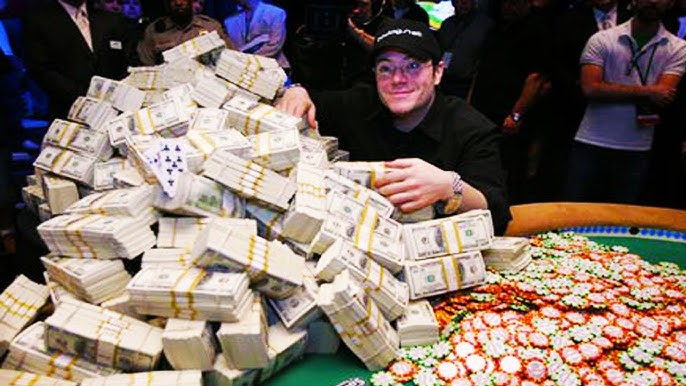
There are certain stories in the world of casinos that go beyond numbers and games. They are stories about individuals who took extraordinary risks, experienced incredible highs, and faced equally dramatic losses.
These are not just tales of money. They are about human decisions, confidence, pressure, and the reality of uncertainty.
Some gamblers became famous for winning fortunes. Others became known for losing them. A few did both—and in doing so, they changed how casinos operate today.
To understand these stories properly, it helps to look at them with patience, not just excitement.
High-Stakes Players and the Nature of Risk
The most famous gamblers were rarely ordinary players.
They were individuals willing to take risks that most people would never consider. They placed bets worth lakhs, crores, or even millions of dollars in a single session. These decisions required confidence, but they also carried immense pressure.
At high stakes, outcomes become magnified.
- A small percentage edge can lead to massive gains
- A short losing streak can result in huge financial loss
This balance between opportunity and risk defines high-level gambling.
The Mathematics Behind Big Wins and Losses
Over time, the house edge ensures that results tend to favor the casino.
Even when a player wins in the short term, the underlying structure of casino games remains unchanged. This is why long-term outcomes often differ from short-term success.
Archie Karas: The Rise and Fall
One of the most famous stories in gambling history is that of Archie Karas.
In the early 1990s, he began what is now known as “The Run.”
- Starting bankroll: $50 (borrowed money)
- Peak winnings: over $40 million
- Games played: poker, blackjack, and craps
Karas defeated some of the best poker players in the world and dominated casino tables. His run became legendary.
But the story did not end there.
Over time, he lost nearly all of his winnings back to casinos.
His journey is often used as an example of how quickly fortune can change in high-stakes environments.
Phil Ivey: Skill and Controversy
Phil Ivey is widely considered one of the most skilled gamblers in the world.
- Estimated earnings: $30+ million in poker tournaments
- Known for success in both poker and baccarat
One of his most famous moments came from a baccarat session where he used a technique called edge sorting.
- Reported winnings: around $10 million
Casinos later challenged these winnings in court, arguing that the method violated game rules. The courts ruled in favor of the casino.
This case changed how casinos handle card design and game procedures, especially in baccarat.
Terrance Watanabe: Record Losses
Terrance Watanabe is known for one of the largest gambling losses ever recorded.
- Estimated losses: $200+ million
- Time period: mid-2000s
- Location: Las Vegas casinos
At one point, he was responsible for a significant percentage of a casino’s annual revenue.
His case raised serious questions about:
- Responsible gambling
- Casino practices toward high-value players
- The role of incentives and VIP treatment

Edward Thorp: Changing the Game
Not all famous gamblers relied on risk alone.
Edward Thorp approached gambling scientifically.
- Developed card counting techniques in blackjack
- Published Beat the Dealer (1962)
- Demonstrated that players could gain a mathematical edge
His work led casinos to make major changes:
- Introduction of multiple decks
- Frequent shuffling
- Increased surveillance
Thorp’s influence reshaped blackjack permanently.
Kerry Packer: Massive Wins and Losses
Kerry Packer was known for extreme high-stakes gambling.
- Reported wins: $20+ million in single sessions
- Reported losses: $10+ million in short periods
He once said that money at that level felt like “points in a game.”
His style reflected a mindset where the scale of play changes how risk is perceived.

When Wins Turn Into Losses
One of the most consistent patterns across these stories is how quickly outcomes can change.
A player may experience:
- A long winning streak
- Increased confidence
- Larger bets
But the structure of casino games does not change.
The house edge remains constant.
Over time, this leads to a natural balancing effect. Many gamblers who won large amounts eventually faced significant losses.
This is not due to a lack of skill alone. It is a reflection of:
- Probability
- Variance
- Human decision-making under pressure
How These Gamblers Changed Casinos
The impact of these individuals extended beyond their personal stories.
Their actions led to major changes in casino operations:
1. Improved Security
- Better surveillance systems
- Advanced player tracking
2. Game Modifications
- Rule changes in blackjack and baccarat
- More controlled environments
3. VIP Management Systems
- Structured rewards programs
- Monitoring of high-value players
4. Responsible Gambling Awareness
- Increased focus on player protection
- Policies to manage extreme losses
A Balanced Perspective
It is easy to focus on the dramatic wins, but these stories are more complex.
They show that:
- High rewards come with high risk
- Success can be temporary
- Emotional control plays a major role
Even the most skilled players cannot remove uncertainty entirely.
Final Thoughts
The stories of gamblers like Archie Karas, Phil Ivey, and Edward Thorp reveal something deeper than just wins and losses.
They show how individuals interact with systems of probability, risk, and decision-making.
Some changed the way games are played. Others changed how casinos operate. All of them left a lasting mark on gambling history.
In the end, these stories are not just about money.
They are about human behavior—how people respond to success, how they handle loss, and how they navigate uncertainty.
When viewed this way, the casino becomes more than a place of games. It becomes a space where real stories unfold, shaped by choices, discipline, and the ever-present balance between risk and reward.