
Today, when people think about Las Vegas, they imagine a place full of bright lights, luxury resorts, and endless entertainment. It feels like a city that was always meant to be alive with energy.
But that image hides a very different past.
In the early 1900s, Las Vegas was a small desert town. It had dusty roads, a limited population, and very little to attract visitors. People passed through more often than they stayed. There was no sense that it would one day become one of the most famous entertainment destinations in the world.
The transformation of this quiet town into a global gambling hub did not happen overnight. It was shaped by a series of bold ideas and risky decisions.
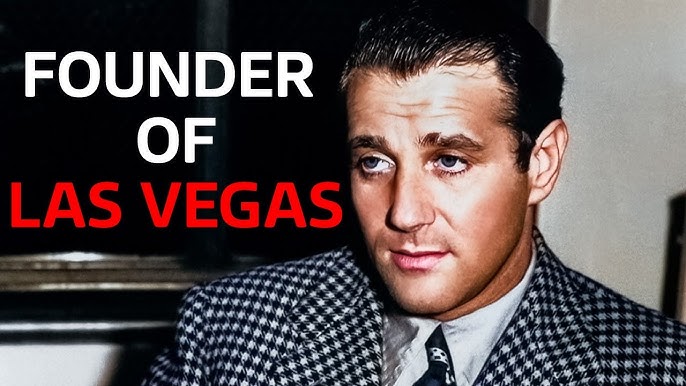
One of the most influential figures in that transformation was Bugsy Siegel.
A Desert Town Before the Spotlight
Before the 1940s, Las Vegas was far from glamorous.
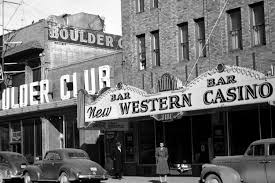
Although gambling had been legalized in Nevada in 1931, the experience was simple and unpolished. Small casinos and gaming halls existed, but they lacked scale, comfort, and attraction. There was no reason for someone to travel long distances just to visit.
At the time:
- Population of Las Vegas (1940): around 8,000 people
- Limited hotel infrastructure
- Minimal tourism
Most investors saw Las Vegas as too remote and too risky. The desert climate, distance from major cities, and lack of infrastructure made it an unlikely place for large-scale development.
But where others saw limitations, Siegel saw potential.
The Vision That Changed Everything
Bugsy Siegel believed Las Vegas could become more than just a stop along the way.
His idea was simple but powerful:
Create a destination, not just a gambling stop.
Instead of focusing only on gaming, he imagined a place where people could:
- Stay in luxury
- Enjoy fine dining
- Experience entertainment
- Feel part of something special
This concept may seem obvious today, but at the time, it was revolutionary.
He was not just thinking about casinos. He was thinking about an integrated experience.
Building the Flamingo Hotel
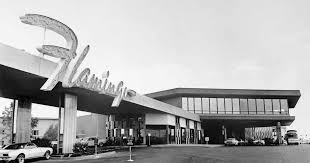
To bring his vision to life, Siegel began developing what would become one of the most important landmarks in Las Vegas history: the Flamingo Hotel.
The Flamingo was different from anything that existed in the city at the time.
It featured:
- A luxury hotel
- A modern casino
- Fine dining spaces
- Stylish design inspired by Hollywood
This was not just a place to gamble. It was a place to stay, relax, and enjoy.
The Challenges Behind the Project
Building the Flamingo was far from smooth.
- Initial budget: around $1.5 million
- Final cost: estimated $6 million+
This massive cost overrun created tension and doubt. Investors became nervous, and many questioned whether the project would succeed.
When the Flamingo first opened in December 1946, it struggled.
- Poor weather affected attendance
- Construction was incomplete
- Early financial losses created uncertainty
For a moment, it seemed like the vision might fail.
The Turning Point
Despite the difficult start, the Flamingo did not disappear.
It reopened after improvements and began to attract attention. Slowly, visitors started to arrive. The idea of a luxury casino destination began to take hold.
What changed was not just one hotel, but the perception of Las Vegas itself.
For the first time, people saw the city as:
- A place worth traveling to
- A place for entertainment, not just gambling
- A place with comfort and style
This shift marked the beginning of Las Vegas as a destination city.
The Ripple Effect on Las Vegas
The success of the Flamingo encouraged others to invest.
After its development:
- More होटल-casinos began appearing along what would become the Las Vegas Strip
- Investors saw long-term potential
- Tourism began to grow steadily
By the 1950s:
- Las Vegas population had doubled
- Casino resorts became larger and more ambitious
- Entertainment became a key part of the experience
Siegel’s idea of combining luxury with gambling became the foundation for modern Las Vegas.
A Complex Legacy
The story of Bugsy Siegel is not simple.
He was not a traditional businessman. His life was connected to organized crime, and his methods were often controversial. In 1947, he was killed, cutting his life short before he could see the full impact of his vision.
But his influence did not end there.
The system he helped introduce continued to grow.
What Made His Vision Different
Several key ideas set Siegel apart:
1. Thinking Beyond Gambling
He understood that people wanted more than games. They wanted an experience.
2. Investing in Luxury
He raised the standard for what a casino could be.
3. Creating a Destination
He turned Las Vegas from a stopover into a travel goal.
What We See Today
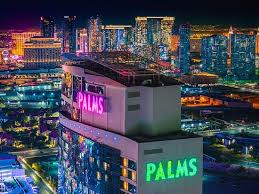
Modern Las Vegas reflects many of these ideas.
Today, the city features:
- Mega-resorts worth billions of dollars
- World-class entertainment shows
- Fine dining and luxury shopping
- Millions of annual visitors (over 40 million per year)
What began as one ambitious project has grown into an entire industry.
A Grounded Perspective
It is easy to look back and see the success clearly, but at the time, nothing was certain.
Siegel took a risk in a place where most people saw none.
He imagined something bigger and acted on that belief, even when the outcome was unclear.
At the same time, his story is also a reminder that big ideas often come with complexity. His life included both vision and controversy, success and struggle.
Final Thoughts
The rise of Las Vegas into a global gambling and entertainment capital did not happen by chance. It was shaped by bold decisions and new ways of thinking.
Bugsy Siegel played a key role in that transformation by introducing the idea that a casino could be more than just a place to play games.
He helped create a model where gambling, luxury, and entertainment came together in one experience.
Today, when people walk through the bright lights of Las Vegas, it is easy to forget how unlikely it all once seemed.
But behind that modern image is a simple beginning.
One person looked at a quiet desert and saw something more.
And that vision helped shape the city into what it is today.