
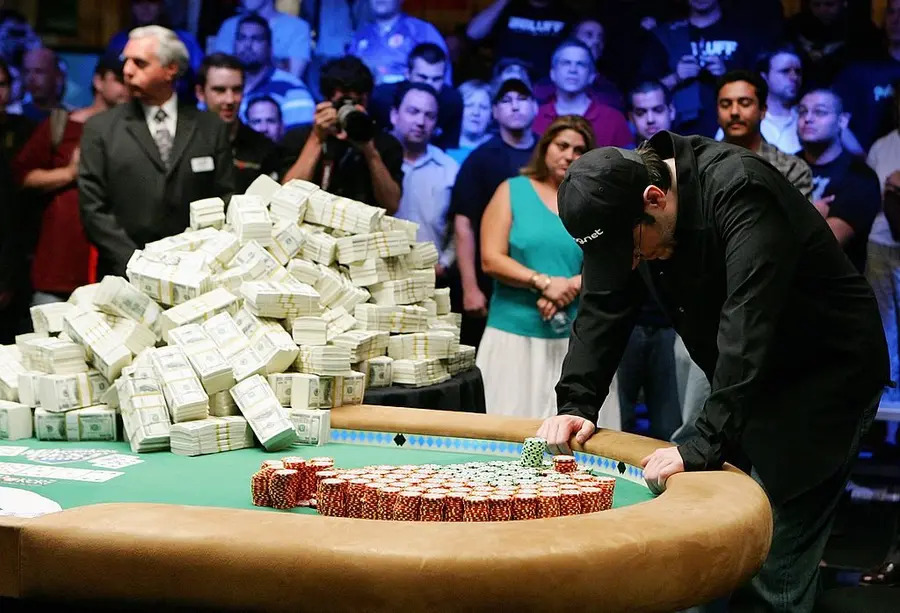
There was a time when poker was seen as nothing more than a simple card game. Friends gathered around tables, shuffled decks, and played for small stakes or just for fun. The atmosphere was relaxed, and no one imagined that this quiet game could one day create millionaires.
But over time, poker changed.
It evolved from a casual pastime into a competitive, skill-based pursuit where the best players could earn enormous sums of money. Today, poker is not just a game—it is a global industry, complete with professional players, major tournaments, and life-changing prize pools.
What made this transformation possible was not luck alone. It was the mindset of players who chose to approach poker as something deeper—something that could be studied, practiced, and mastered.
From Small Tables to Professional Play
Many of the most successful poker players started in very ordinary ways.
Take Daniel Negreanu, one of the most recognizable names in the game. He began playing in small games in Toronto before moving to Las Vegas to pursue poker seriously. Similarly, Phil Ivey, often called one of the greatest players of all time, started by playing low-stakes games and gradually building his reputation.
These early experiences were not about winning big money. They were about learning.
At small tables, players begin to understand key ideas:
- How betting patterns reveal information
- How opponents react under pressure
- When to play aggressively and when to fold
A strong player learns to observe more than they speak. While others focus on the excitement of winning a hand, serious players focus on long-term improvement.
Over time, these small lessons create a foundation. As confidence and skill grow, players move up to higher-stakes games, where the risks—and rewards—are much greater.
The Role of Skill and Probability
Poker is often misunderstood as a game of luck. While luck plays a role in the short term, long-term success depends heavily on skill.
At its core, poker is a game of probabilities and decision-making.
For example, a player might calculate their chances of completing a strong hand after the flop. Understanding these odds helps them decide whether to call, raise, or fold.
Poker decisions are often based on probability, not guesswork.
Professional players consistently make decisions that are slightly better than their opponents. Over hundreds or thousands of hands, these small advantages add up.
Real Statistical Insight
- Skilled players can maintain a win rate of 2–10 big blinds per 100 hands in cash games
- Top tournament players often achieve long-term ROI (Return on Investment) of 20%–50%+
- The best players earn millions over time, not just from single wins
These numbers show that poker success is built on consistency, not luck.
Discipline: The Real Difference Maker
One of the biggest differences between casual players and professionals is discipline.
Professional players understand that losing is part of the game. Even the best players experience losing streaks. What matters is how they respond.
Key habits include:
- Bankroll management: Only risking a small percentage of total funds
- Emotional control: Avoiding decisions based on frustration (often called “tilt”)
- Game selection: Choosing tables where they have an advantage
For example, a professional might follow a rule like:
- Never risk more than 1–5% of total bankroll in a single game
This approach allows them to survive losing periods and continue playing long enough for their skill advantage to show.
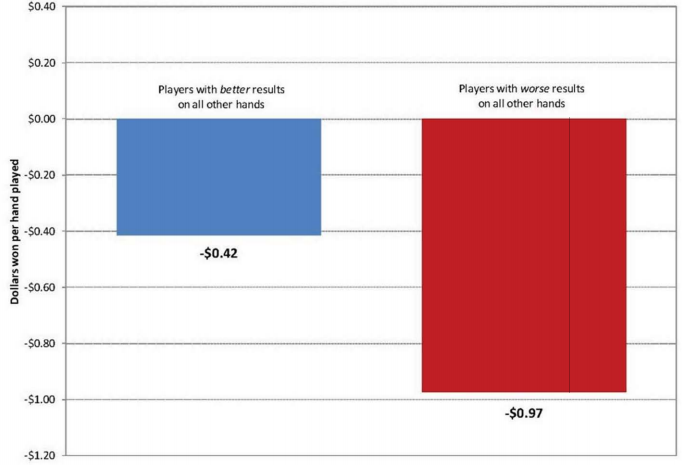
This type of graph highlights an important idea: in the short term, results can be random, but over time, skill creates a clear upward trend.
The Rise of Poker Tournaments
Poker’s transformation into a million-dollar career path accelerated with the growth of major tournaments like the World Series of Poker (WSOP).
These events brought global attention to the game.
One of the most famous moments came in 2003, when Chris Moneymaker, an amateur player, won the WSOP Main Event after qualifying through an online tournament.
- Entry cost: $39 online satellite
- Final prize: $2.5 million
This moment is often called the “Moneymaker Effect” because it inspired thousands of new players to take poker seriously.
Million-Dollar Careers in Poker
Today, many players have built extraordinary careers through poker.
Some notable examples include:
- Daniel Negreanu
- Tournament earnings: $50+ million
- Phil Ivey
- Widely regarded as one of the most skilled players ever
- Justin Bonomo
- Among the highest all-time earnings: $60+ million
These players did not achieve success overnight. Their careers were built over years of practice, analysis, and disciplined play.
Beyond the Table: Multiple Income Streams
Modern poker professionals often earn money in more than one way:
- Tournament winnings
- Cash games
- Sponsorship deals
- Coaching and training
- Content creation (videos, streams, courses)
This diversification helps create stability in a career that can otherwise be unpredictable.
The Mental Side of the Game
Poker is as much a mental challenge as it is a mathematical one.
Players must:
- Stay focused for long sessions
- Handle pressure during high-stakes moments
- Recover from losses without losing confidence
Many professionals treat their routine like athletes:
- Regular sleep schedules
- Mental training
- Physical fitness
This helps them maintain performance over long periods.
A Realistic Perspective
While poker offers the possibility of large earnings, it is not an easy career path.
Challenges include:
- Income variability
- Long losing streaks
- High competition
- Emotional stress
Only a small percentage of players reach the highest levels.
For most, poker remains a hobby or side activity rather than a full-time profession.
Final Thoughts
The journey of poker players who turned a simple card game into million-dollar careers is not a story of luck. It is a story of skill, discipline, and long-term thinking.
They began at small tables, learned through experience, and gradually built their expertise. They studied probabilities, managed their resources carefully, and stayed consistent even when results were uncertain.
Players like Daniel Negreanu and Phil Ivey show what is possible when the game is approached with dedication and understanding.
At the same time, their stories offer a balanced lesson.
Poker can reward skill, but it also demands patience and resilience. It is not about winning every hand—it is about making better decisions over time.
In the end, poker reflects a simple truth.
Even something as ordinary as a card game can become something meaningful when approached with care, discipline, and a willingness to learn.
And for a few players, that mindset has turned a deck of cards into a career worth millions.